
Maths Champions 5 branching induction and mass resources
Section outline
-
↑ Hide header

Use the resources below to support maths learning and confidence in your setting.
As with any aspect of your early years’ provision and in line with your policies and procedures, it is always necessary to carry out ongoing risk assessment and risk management according to the specific children, activities and resources used in your setting.
It is your responsibility to ensure any activities you undertake within or linked to this resource section are fully risk assessed, take into consideration any allergies and are fully supervised by adults where required. Please amend activities accordingly to meet the needs of your setting. Please be aware that all types of flour, including wheat, gluten free, corn, gram and rice flour are not usually treated during production. Uncooked flour should not be eaten, as it may contain food poisoning bacteria. For further guidance and information please visit https://www.food.gov.uk/safety-hygiene/handling-flour-and-flour-products-safely
NDNA cannot accept any legal responsibility for any harm, injury or damage resulting from any activities or guidance described.
Click on the icons below.
Key Areas of Mathematical Development
Welcome, Start Here

Reflection Checkpoint

Step 1. Initial Information

Step 2. Reflective Learning Journal

Step 3. Online Training

Reflection Checkpoint

Step 4. Children's Observational Assessment

Step 5. Self-assessment Audits

Additional Resources
Reflection Checkpoint

Step 6. Action Plans

Step 7. Core Activities

Reflection Checkpoint

Step 8. Measuring Impact

Step 9. Case Study

Inspirational Images Gallery

Reflection Checkpoint

End of Programme Certificate

Hidden Resources

Outdoor Maths

Printable Materials

Role Play

Songs and Rhymes

Supporting Staff

Research and Articles

Useful Links

Webinars

Section X
Welcome to the Maths Champion programme.
Mandatory Induction Session
In order for NDNA to draw down funding for your place on the Maths Champions programme it is a mandatory requirement that the Maths Champion attends a live induction session or watches the induction recording below.
If you have not attended a live induction session please click on the link below.
This induction session provides Maths Champions with an overview of the programme, a clear understanding of how to complete each of the programme steps and an outline of the additional resources and support that is available to you whilst on programme.
-
Welcome
Thank you for joining our exciting Maths Champions programme, we hope you and your team enjoy this experience. You are joining a group of early years professionals who are focussing on improving children's maths outcomes by developing practitioner’s knowledge, skills and confidence, enabling them to provide a maths rich environment and exciting experiences for children and families.
Programme Outline
As an NDNA Maths Champion you will support your team to evaluate and develop their knowledge, understanding and practice in relation to early year’s mathematics in order to increase their confidence in supporting and teaching children in this area.
You will support staff to develop an enabling environment resulting in high quality maths experiences being available throughout the day, providing children with the best possible start in their mathematical development.
We are very much looking forward to working with you.
Please note: Your programme access expires after 12 months.
If you have any questions or queries please contact the team at maths.champions@ndna.org.uk
-
Students mustMark as done
Throughout the Maths Champions programme you will complete reflective checkpoints at key stages:
- Baseline: Where am I now?
- Midpoints: How are my skills and confidence growing?
- Endpoint: How far have I come?
Before you begin the Maths Champions programme, this is an opportunity to reflect on how confident you are in mathematics.
This reflection is a starting point for your journey. Please be honest about how you feel at this stage; your response is private, no one else in your setting can see how you have responded and there is no expectation to feel confident yet. The Maths Champions programme is designed to support improvement, and the checkpoints will help you see your progress over time.
Throughout your journey your Early Years Adviser will be there to guide and support you as you build your skills and understanding.
-
What is Counting?
In this video, early years maths expert Sue Gifford explains the important elements of the learning trajectory for counting. There are also some useful ideas on how practitioners can support children’s developing counting ability.
Video Length: 24 minutes
-
Students mustMark as done
-
Resources
-
-
-
-
Activity Ideas
-
-
-
-
-
-
Articles and Research
-
-
-
-
-
-
-
-
-
In this first step, you will find all the information you need to get started on your Maths Champions journey.
Click anywhere on the video below.
If the video does not display, click here.
Here you will find information about the role of the Maths Champion and Deputy Maths Champion, some frequently asked questions and a timeline to keep you on track during the programme.
You will also find information to share with staff, parents and carers about the Maths Champions programme.
Take some time to read through the information and please contact us if you have any questions.
-
Activity 1: Useful Documents
-
Activity 2: Staff, Parent/Carer Introduction to the Maths Champions Programme
-
-
-
-
-
-
-
What is Cardinality?
In this video, early years maths expert Sue Gifford explains about cardinality (the number of things) and linking numbers of things to numerals. There are also some useful ideas on how practitioners can support understanding of the cardinal principle.
Video Length: 12 minutes
-
Students mustMark as done
-
Resources
-
-
-
-
Activity Ideas
-
-
-
-
-
Articles and Research
-
-
-
Click anywhere on the video below.
If the video does not display, click here.
Reflective practice is an important tool for personal development as well as professional development. It can deepen your understanding of situations by looking back at what worked well and what may need changing or improving; identifying your own performance, feelings and attitudes and determining your approach moving forward.
You may use your reflections to make changes to the environment, your own practice, CPD and development plans; to develop or improve relationships with colleagues or parents and to develop ideas to support children’s learning and development.
This Reflective Learning Journal will provide you with a special place to record your reflections (anything you wish to) throughout the programme. It is also rewarding to look back over the journey you have been on and the successes you have had.
Feel free to offer your Deputy Maths Champion and other staff taking part in the programme the option of keeping a reflective learning journal where they can record their own thoughts and learning as they go through the journey with you – this can be a very powerful and effective tool for their professional development.
The journal contains space to record training, reflections, ideas, highlights and also images. You can print and handwrite in the journal or save it to a computer drive. You can also use the information to help you complete your case study in Step 9 of the programme.
Please note: you do not need to submit your reflective journal, however you can share things from this with your allocated Early Years Adviser if you choose to do so during your catch ups.
Click the link below to download your Reflective Learning Journal.
-
-
What is Subitising?
In this video, early years maths expert Sue Gifford explains about subitising and its importance for early number sense. There are also some useful ideas on how practitioners can support children’s ability to subitise.
Video Length: 10 minutes
-
Students mustMark as done
-
Resources
-
-
-
-
Activity Ideas
-
-
-
-
-
-
Articles and Research
-
-
-
-
Click anywhere on the video below.
If the video does not display, click here.
To support you in your role as Maths Champion and Deputy Maths Champion, we have developed three bespoke online courses for you to complete. These courses will enhance and consolidate your current knowledge and skills, giving you the information and tools you need to support your staff team, so that together you can improve outcomes for children in your setting.The courses can be completed in one go or paused and returned to, so you can complete these flexibly around other commitments. However, there is an expectation that these courses are completed within the first two months of your programme access so it is recommended that you plan for this.
Feel free to make notes as you work through the course materials in your reflective learning journal from Step 2 of the programme. To help you with sharing key messages, we have created a bitesize staff training package at the end of this section which briefly explains the key areas of mathematical development. You will also find bitesize videos alongside a range of other tools and materials to support staff in the resources section of the programme, which you will unlock following completion of Step 7.
Require an audio version of the training? Open the training in Microsoft Edge and click Ctrl/Shift/U to enable the audio function.
*Please note: live / recorded webinars are in addition to the online training courses and do not make up part of Step 3. You can attend / watch the webinars at any stage of the programme.
For technical support, please contact maths.champions@ndna.org.uk
Scroll down and use the 'Start Course' buttons to start each course.
-
Developing Mathematical Confidence in the Early Years: The Big Ideas of Number Sense

This course identifies key aspects of maths in the early years including priorities and predictors from research. You will gain an overview of the progression of big ideas in early number sense, explore developmentally appropriate teaching approaches and investigate different methods for observing, assessing and planning for maths across the different ages of children in the setting.
Modules: 4
Time needed: 2-2.5 hours (you have the option to pause and return to the course at your convenience)
Assessment: End of course quiz. Unlimited attempts with an 80% pass mark
Certificate: Yes
*At NDNA we regularly review our courses but changes to external sources can occur in between these reviews. Please notify admin if you discover any broken links.
Click the button below to start the course.
Start Course: Developing Mathematical Confidence -
Modules (DMC) SCORM packageNot available unless: The activity Reflection Checkpoint 1 is marked complete
-
Quiz (DMC)Not available unless: The activity Modules (DMC) is marked complete
-
Developing Mathematical Thinking: Shape, Space, Measure and Pattern

This course identifies the key aspects of shape, space and measures. You will explore developmentally appropriate teaching approaches and investigate different methods for observing, assessing and planning for maths across the different ages of children in the setting.
Modules: 3
Time needed: 2-2.5 hours (you have the option to pause and return to the course at your convenience)
Assessment: End of course quiz. Unlimited attempts with an 80% pass mark
Certificate: Yes
*At NDNA we regularly review our courses but changes to external sources can occur in between these reviews. Please notify admin if you discover any broken links.
Start Course: Developing Mathematical Thinking
Click the button below to start the course. -
Modules (DMT) SCORM packageNot available unless: The activity Certificate (DMC) is marked complete
-
Quiz (DMT)Not available unless: The activity Modules (DMT) is marked complete
-
Coaching as an Educational Lead

This course will support Maths Champions by providing research based information on coaching and practical ideas on how to coach staff effectively as an educational lead. You will explore what coaching means and the key skills required to coach effectively and identify research base coaching tools/methods which can be used to support you through the programme.
Modules: 4
Time needed: 2-2.5 hours (you have the option to pause and return to the course at your convenience)
Assessment: End of course quiz. Unlimited attempts with an 80% pass mark
Certificate: Yes
*At NDNA we regularly review our courses but changes to external sources can occur in between these reviews. Please notify admin if you discover any broken links.
Click the button below to start the course.
Start Course: Coaching as an Educational Lead -
Modules (CEL) SCORM packageNot available unless: The activity Certificate (DMT) is marked complete
-
Quiz (CEL)Not available unless: The activity Modules (CEL) is marked complete
-
Staff Training
In this section you will find;
- PowerPoint presentation focusing on the Key Areas of Mathematical Development
- Accompanying session plan with trainer notes
- Handouts
- Staff knowledge check
- A recording of the Maths Everywhere webinar
All of these can be used by the Maths Champion to raise staff knowledge and awareness of the importance of mathematical development in the early years and the key areas of mathematical development that they are supporting when engaging with children.
The presentation can be delivered in one staff meeting or professional development session or can be broken down and delivered over several meetings or sessions if you want to focus on one particular key area at a time. The additional, optional videos links, discussion points and handouts enable you to use the presentation in a way which suits your delivery plan and staff needs. The training can then be followed up with other forms of professional development and support such as modelling or coaching.
Click the document titles below to download.
-
-
-
-
-
What is Composition?
In this video, early years maths expert Sue Gifford explains how children begin to learn that numbers are made up (composed) of smaller number through play and exploration. There are also some useful ideas on how practitioners can support children’s understanding of composition.
Video Length: 12 minutes
-
Students mustMark as done
-
Resources
-
-
-
-
Activity Ideas
-
-
-
-
-
Articles and Research
-
-
It's time to pause and reflect on how confident you are feeling at this point and your experiences so far in the Maths Champions programme, now that you have completed the online training.
This second checkpoint is an opportunity to reflect on your journey so far. It is still early in the programme, so don't worry if you are not feeling confident yet. You willl continue to build your confidence and skills through the available resources, with ongoing 1:1 support from your Early Years Adviser throughout the remainder of the programme.
-
What is Pattern?
In this video, early years maths expert Sue Gifford explains the importance of developing pattern awareness in early years. There are also some useful ideas on how practitioners can support children to identify, copy and create patterns.
Video Length: 18 minutes
-
Students mustMark as done
-
Resources
-
-
-
-
Activity Ideas
-
-
-
-
-
Articles and Research
-
-
-
-
-
-
Click anywhere on the video below.
If the video does not display, click here.
The purpose of the Children’s Observational Assessment is to support Maths Champions to focus on and interpret what children are showing you in their play and interactions with regards to their maths learning. The intention is not to use this as a checklist but to use it to help you recognise and focus on maths interactions and consider how you could deepen, enrich and extend current skills and interests using the Maths Champions programme.
To complete the observational assessment you should:
- Select six children: aged three to four years old. You may want to include a mixture of boys and girls, children with various patterns of attendance, children with EAL, children with SEND, children entitled to EYPP etc. If you are using the programme as a whole setting approach you can choose to track more than six children. For example, you may choose to track six babies, six two year olds and six three and four-year-olds.
- Observe children or use your professional knowledge: to recognise and focus on what each child is showing you in their play and interactions with regards to maths knowledge and skills.
- Use the learning trajectory ranges below to identify the broad level each child is at for each of the mathematical key areas: using the descriptions for each level listed and numbered
- Record the level on the observational assessment tool: as a number. You can accompany this with a general written observation, if you wish to do so.
- Use this observational information: to consider how you could deepen, enrich and extend current skills and interests.
- Don’t agonise over which level is the right one. Go with your first instinct, using your professional judgement.
- This is a best fit judgement, not an assessment. If you feel a child is between two levels, select the lower level or select both.
- Remember this data is not going back to other staff, parents or learners. The data is purely to support you to identify what you could do to enrich and extend maths learning and the impact of what you have introduced on children's maths outcomes as a result of accessing the programme, not to examine children.
For example, first consider Cardinality. If you do not already have the information available from the child’s observational records or your professional judgement, consider what you have observed them do over the last two weeks. Read each of the level descriptions from 1-6 in the learning trajectory ranges and make a best fit judgement.
You will re-visit this assessment in Step 8 of the programme when you begin to measure the impact the programme has had on learning outcomes for children.
Click and download the Children's Observational Assessment template below and upload once complete using the upload link.
-
Learning Trajectory Ranges
-
-
Children's Observational Assessment
-
-
Children's Observational Assessment: Upload AssignmentNot available unless: The activity Certificate (DMT) is marked complete
-
What is Shape and Spatial Awareness?
In this video, early years maths expert Sue Gifford explains the importance of spatial reasoning skills and how these are a key predictor of later maths achievement. Sue also explores shape and explains how there is much more to shape than just learning shape names. There are also some useful ideas on how practitioners can support children’s developing skills in these areas.
Video Length: 42 minutes
-
Students mustMark as done
-
Resources
-
-
-
-
-
-
Activity Ideas
-
-
-
-
-
-
Articles and Research
-
-
-
-
-
-
-
-
-
-
-
-
-
-
-
Click anywhere on the video below.
If the video does not display, click here.
It's hard to improve your practice if you don't know where you're starting from. That's why one of the first steps on this journey is to complete audits for your setting.
In this section, there are two audits that we ask you to complete. You can download and print copies of the audits to work with in your setting, then upload the information on the summary sheets.
-
Audit 1: Learning Environment - Initial Assessment
The first audit to complete is about your learning environment. This will help you to understand how well your setting environment is designed to support children with maths, how well you promote a positive attitude towards maths and how well you communicate with parents. It will support you to review and assess the resources and opportunities you provide for children to support their maths exploration.
Print off the audit template and complete the initial assessment information. As a minimum you should complete an audit for your three and four-year-old provision. To support a whole setting approach, you can complete an audit for each room and the outdoors, whichever you would fine more beneficial.
Enter all of the responses onto the Learning Environment Audit Summary and upload this document using the upload link.
-
-
-
Learning Environment Audit Summary: Upload AssignmentNot available unless: The activity Certificate (DMT) is marked complete ...Not available unless:
- The activity Certificate (DMT) is marked complete
- The activity Reflection Checkpoint 2 is marked complete
-
Audit 2: Staff Confidence - Initial Assessment
One of the main aims of the programme is to develop staff confidence in relation to supporting and teaching early maths. You should complete confidence audits for the Maths Champion and Deputy Maths Champion and all members of your staff team you want to support through the programme, to identify individual and group development needs.
Print off the audit template and complete the initial assessment information. You can complete these from your own knowledge and observations of staff or you can complete them individually with staff, whichever you prefer.
Enter all of the responses onto the Staff Confidence Audit Summary and upload this document using the upload link.
-
-
-
Staff Confidence Audit Summary: Upload AssignmentNot available unless: The activity Learning Environment Audit Summary: Upload is marked complete
-
What is Measures?
In this video, early years maths expert Sue Gifford explains about measures and how children use measures such as length, weight, capacity and time in their play and exploration. There are also some useful ideas on how practitioners can support children to tackle problems using prediction and comparison of measures.
Video Length: 24 minutes
-
Students mustMark as done
-
Resources
-
-
-
-
Activity Ideas
-
-
-
-
-
-
Articles and Research
-
-
-
It's time to pause and reflect about your experiences so far on the Maths Champions programme now that you have completed the audit process.
This is the third reflection point in your journey. Thinking about your journey so far and what you have learnt, how much more confident are you feeling? Don't worry if you're not feeling very confident yet, there is still plenty of time to build your confidence and skills through the remainder of the programme as you implement your learning so far.
Your Early Years Adviser will continue to offer 1:1 support throughout the remainder of the programme.
Click anywhere on the video below.
If the video does not display, click here.
Having completed your audits, it's now time to analyse the results, identify key priorities and create a robust action plan to help you develop your maths provision. We have provided you with a ‘learning environment’ action plan template and a ‘staff confidence’ action plan to record these priorities. If you are using Maths Champions as a whole setting approach, add all your priorities to one action plan template, differentiating these by room or age range as appropriate.
Review your responses for each of the audits. Consider the biggest priorities that were identified. These should form the basis of your action plans.
Information from the coaching course will help you to complete your action plans. Remember to use CLEAR targets, set specific priorities and monitor progress towards these. Also, remember to be realistic – think about what realistically can be done, strive for the best but don’t set targets that are too ambitious – ultimately you want to be able to make positive but sustainable changes however big or small and see the impact of these changes. There are links below to 'A Guide to Creating Action Plans' and example action plans to support you to get started.
There are lots of resources, top tips and ideas in the core activities and resources section of the programme to support you to achieve your priorities.
The action plans include a reflection column which will help you as you work through the programme to review the effectiveness of what is happening.
Your reflections will help you to measure the impact and complete the case study at the end of the programme.
Upload your completed action plans below.
-
-
-
-
-
-
Learning Environment - Action Plan
Download and complete the 'Learning Environment Action Plan' template and upload using the upload link below.
-
-
Learning Environment Action Plan: Upload AssignmentNot available unless: The activity Staff Confidence Audit Summary: Upload is marked complete ...Not available unless:
- The activity Staff Confidence Audit Summary: Upload is marked complete
- The activity Reflection Checkpoint 3 is marked complete
-
Staff Confidence - Action Plan
Download and complete the 'Staff Confidence Action Plan' template and upload using the upload link below.
-
-
Staff Confidence Action Plan: Upload AssignmentNot available unless: The activity Learning Environment Action Plan: Upload is marked complete
-
Suggestions for Children
-
-
-
-
-
-
Suggestions for Staff
-
-
-
-
Resources and Articles
-
-
-
-
-
-
-
-
-
-
Videos
-
-
-
Reviews
-
-
-
Click anywhere on the video below.
If the video does not display, click here.
The following play based activities have been designed with information and ideas to help increase staff’s understanding and confidence in supporting children’s early mathematical learning.
We would like you to carry out the 10 core activities for three and four-year-olds, repeating them wherever possible as part of your planned curriculum. This will enable staff and children to embed learning and allow you to assess the impact of these. There are optional core activities for the younger age ranges if you wish to access these.
As we know children develop and learn in different ways and at different rates so please ensure you use your knowledge of each child to enable them to participate and flourish. Included in the core activities are some examples of resources you may use as part of the activity. Please note you are not required to buy any specific resources for the programme, these are examples only and you can differentiate the resources to meet the needs of your setting. We have, where possible suggested using recycled materials.
The activities can be carried out in any order. As the activities are being carried out, encourage staff to model, demonstrate and scaffold children's learning, recording a brief summary on the Core Activities Summary Sheet.
Please note: you will upload this completed summary sheet in Step 8, as part of your evidence of the impact the programme has had on your children and staff.
As with any aspect of your early years’ provision and in line with your policies and procedures, it is always necessary to carry out ongoing risk assessment and risk management according to the specific children, activities and resources used in your setting. NDNA cannot accept any legal responsibility for any harm, injury or damage resulting from any activities or guidance described.
Each activity includes ideas on possible extensions which you may wish to use to extend and enhance the experience further. You are also encouraged to offer your own extensions and enhancements. We would be very interested to see photographs of the core activities and hear what ideas you incorporated and what the impact of this was. These can be uploaded to the Inspirational Images section at the beginning of the programme.
*Please note, the Resources Section of the programme will not be unlocked until all 10 core activities for three and four-year-olds have been downloaded.
-
Core Activities Impact Summary
Please download this impact summary sheet to record your experiences with the core activities. This will be uploaded later in step 8.
-
-
-
-
Core Maths Activities For Two-year-olds and Under
-
1. Mealtimes FileNot available unless: The activity Staff Confidence Action Plan: Upload is marked complete
-
2. Rhyme Time FileNot available unless: The activity Staff Confidence Action Plan: Upload is marked complete
-
3. Trajectory Schema FileNot available unless: The activity Staff Confidence Action Plan: Upload is marked complete
-
4. Treasure Baskets FileNot available unless: The activity Staff Confidence Action Plan: Upload is marked complete
-
5. Bubble Play FileNot available unless: The activity Staff Confidence Action Plan: Upload is marked complete
-
6. Sand Play FileNot available unless: The activity Staff Confidence Action Plan: Upload is marked complete
-
7. High Contrast Patterns FileNot available unless: The activity Staff Confidence Action Plan: Upload is marked complete
-
8. Observing Block Play FileNot available unless: The activity Staff Confidence Action Plan: Upload is marked complete
-
9. Sensory Spots FileNot available unless: The activity Staff Confidence Action Plan: Upload is marked complete
-
10. Parachute Play FileNot available unless: The activity Staff Confidence Action Plan: Upload is marked complete
-
Seasonal Suggestions FileNot available unless: The activity Staff Confidence Action Plan: Upload is marked complete
-
Core Maths Activities For Two-year-olds
-
1. Snack Time FileNot available unless: The activity Staff Confidence Action Plan: Upload is marked complete
-
2. Number Rhymes FileNot available unless: The activity Staff Confidence Action Plan: Upload is marked complete
-
3. Tidying Up FileNot available unless: The activity Staff Confidence Action Plan: Upload is marked complete
-
4. Let's Picnic FileNot available unless: The activity Staff Confidence Action Plan: Upload is marked complete
-
5. Small World Play FileNot available unless: The activity Staff Confidence Action Plan: Upload is marked complete
-
6. Sand and Water Play FileNot available unless: The activity Staff Confidence Action Plan: Upload is marked complete
-
7. Puzzle and Shape Sorters FileNot available unless: The activity Staff Confidence Action Plan: Upload is marked complete
-
8. Block Play FileNot available unless: The activity Staff Confidence Action Plan: Upload is marked complete
-
9. Care Routines FileNot available unless: The activity Staff Confidence Action Plan: Upload is marked complete
-
10. Parachute Games FileNot available unless: The activity Staff Confidence Action Plan: Upload is marked complete
-
Seasonal Suggestions FileNot available unless: The activity Staff Confidence Action Plan: Upload is marked complete
-
Core Maths Activities For Three and Four-year-olds
-
1. Snack Time FileNot available unless: The activity Staff Confidence Action Plan: Upload is marked complete
-
2. Number Hunt FileNot available unless: The activity Staff Confidence Action Plan: Upload is marked complete
-
3. Stock Check FileNot available unless: The activity Staff Confidence Action Plan: Upload is marked complete
-
4. Delivering the Post FileNot available unless: The activity Staff Confidence Action Plan: Upload is marked complete
-
5. Cars Down a Ramp FileNot available unless: The activity Staff Confidence Action Plan: Upload is marked complete
-
6. Mud Kitchen FileNot available unless: The activity Staff Confidence Action Plan: Upload is marked complete
-
7. Patterns FileNot available unless: The activity Staff Confidence Action Plan: Upload is marked complete
-
8. Construction FileNot available unless: The activity Staff Confidence Action Plan: Upload is marked complete
-
9. Outdoor Games FileNot available unless: The activity Staff Confidence Action Plan: Upload is marked complete
-
10. Build a Maze FileNot available unless: The activity Staff Confidence Action Plan: Upload is marked complete
-
Seasonal Suggestions FileNot available unless: The activity Staff Confidence Action Plan: Upload is marked complete
-
Maths Champions Resources
-
After downloading the core activities you can access the Maths Champions Resources using the link below. Access them anywhere in the programme from the top of the block drawer on the right.
Note: To unlock the resources you need to at least download all the core activities for three and four-year-olds. Access to the resources ends on the same date as your programme access.
-
Maths Champions Resources URLNot available unless: The activity 1. Snack Time is marked complete ...Not available unless:
- The activity 1. Snack Time is marked complete
- The activity 2. Number Hunt is marked complete
- The activity 3. Stock Check is marked complete
- The activity 4. Delivering the Post is marked complete
- The activity 5. Cars Down a Ramp is marked complete
- The activity 6. Mud Kitchen is marked complete
- The activity 7. Patterns is marked complete
- The activity 8. Construction is marked complete
- The activity 9. Outdoor Games is marked complete
- The activity 10. Build a Maze is marked complete
-
Children's Progress
-
-
-
-
-
-
-
-
-
-
English as an Additional Language
-
-
-
Environment and Resources
-
-
-
-
-
-
-
-
-
-
-
-
-
-
-
-
-
Forest School
-
-
Loose Parts
-
-
-
-
-
-
-
-
-
Maths Language
-
-
-
-
-
Maths Outdoors
-
-
-
-
-
-
-
-
Number
-
-
-
Parent Engagement and Home Learning
-
-
-
-
-
-
-
-
-
-
-
Pattern
-
-
Special Educational Needs and Disabilities
-
-
Staff Confidence and Skills
-
-
-
-
-
-
-
-
-
-
-
-
-
-
-
-
-
-
-
-
-
-
-
-
-
-
-
-
-
-
-
-
-
-
-
-
Take some time to pause and reflect on your experiences so far in the Maths Champions programme, now that you have completed your action plans and started to embed the core activities.
This is the fourth reflection point in your journey. Don't worry if you're still not feeling fully confident, there is still plenty of time to build your confidence and skills. Your Early Years Adviser will continue to support you throughout the remainder of the programme.
-
-
Block Play
-
-
-
-
-
-
-
-
-
-
-
-
-
-
Construction
-
-
-
-
Junk Modelling
-
-
Woodwork
-
-
-
-
We hope you have enjoyed working through the main steps of the programme and making lots of enhancements to your maths provision. It's now time to measure the impact of the Maths Champions programme.
Click anywhere on the video below.
If the video does not display, click here.
-
Students mustMark as done
What is impact?
This short recording will help you to consider what impact is and how you can capture the impact of the Maths Champions programme so far using the tools in step 8 and 9.
-
Repeat Children's Observational Assessment
It is now time to repeat the observational assessment you carried out at the start of the programme for the children you have been closely observing so we can gauge the impact of Maths Champions on children’s learning and development.
Using the original template, capture your concluding observations, highlighting the difference the programme has made to children’s maths learning and confidence.
-
Repeat Children's Observational Assessment: Upload AssignmentNot available unless: The activity Maths Champions Resources is marked complete ...Not available unless:
- The activity Maths Champions Resources is marked complete
- The activity Reflection Checkpoint 4 is marked complete
-
Repeat Self-assessment Audits
It is now time to revisit the self-assessment audits you originally completed at the start of the programme.
Using your original templates, firstly re-visit the learning environment audit (or audits if you completed more than one) and complete the concluding assessment. Look closely at where have you been able to make improvements.
Next, re-visit the staff confidence audits for each staff member who has been involved in the programme and complete the concluding assessment. You can complete this from your knowledge and observations of staff or you can complete this with them, discussing where they feel the biggest impact been made.
Once you have completed all of the concluding assessments, enter all of the responses onto the summary sheets that you completed in Step 5 of the programme, this time completing the concluding asssessment column and upload these documents using the links below.
-
Repeat Learning Environment Audit Summary: Upload AssignmentNot available unless: The activity Maths Champions Resources is marked complete ...Not available unless:
- The activity Maths Champions Resources is marked complete
- The activity Reflection Checkpoint 4 is marked complete
-
Repeat Staff Confidence Audit Summary: Upload AssignmentNot available unless: The activity Repeat Learning Environment Audit Summary: Upload is marked ... ...Not available unless: The activity Repeat Learning Environment Audit Summary: Upload is marked complete
-
Action Plan Progress Reflection
In order to gauge the impact that the Maths Champions programme has had on supporting you to achieve your identified priorities on your action plans, please complete the following questions.
This is just a reflection at this point in time. Don't worry if you have not completed all of the priorities on your action plan, you can continue to work on these and add to them as you move forward as these are live working documents.
-
Impact of Core Activities
So we can gauge the impact of the core activities, please complete and upload the core activities impact summary sheets accessed in step 7.
-
Core Activities Impact Summary: Upload AssignmentNot available unless: The activity Action Plan Progress Reflection is marked complete
-
-
Useful Links
-
-
-
-
-
-
-
Recipes
-
-
-
-
-
-
-
-
Click anywhere on the video below.
If the video does not display, click here.
You should now be at a point where you've implemented a range of changes to your maths provision and these are embedded in practice. So, it's time for you to reflect on what you've done so far and put together a case study to show the impact of the changes you have made.
Tell us about something you are really proud of or something that you have achieved through taking part in the Maths Champions programme. You may have introduced some new resources or developed an area in the setting that has had a big influence on children’s mathematical learning. Through your coaching you may have had a remarkable impact on developing staff confidence in a particular area which again has had a big influence on children’s mathematical learning.
Use the template below to tell us all about what you did and the impact it has had on the setting, children and staff.
If you have photographs to support your case study please upload these to the Inspirational Images Gallery within the programme or email them to Maths.Champions@NDNA.org.uk
We look forward to seeing the impact of the hard work and dedication you and your team have put into the Maths Champions programme.
-
Case Study
-
-
-
Case Study: Upload AssignmentNot available unless: The activity Core Activities Impact Summary: Upload is marked complete
-
-
Clay
-
-
-
-
Creative Play
-
-
Loose Parts
-
-
-
-
-
-
-
-
Malleable Play
-
-
-
-
-
-
-
-
-
-
-
-
-
-
-
-
-
-
Mark Making
-
-
-
-
-
Messy Play
-
-
Sand Play
-
-
-
Water Play
-
-
-
-
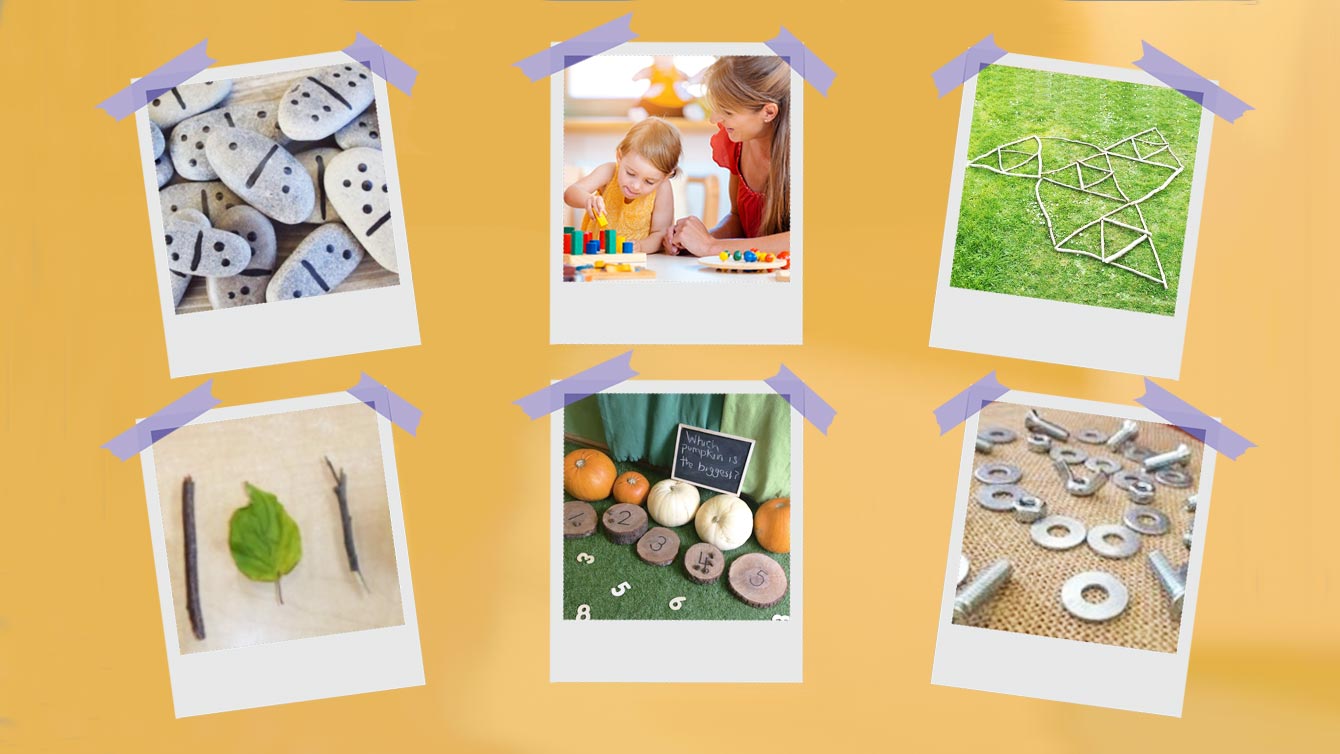
This Inspirational Images Gallery is an area in which Champions can upload photographs to celebrate best practice. We invite Champions to share images of best practice as you work through the Maths Champions programme and implement new and exciting maths opportunities.
You can visit the Inspirational Images Gallery at any time to view or upload photographs.
Uploading a photograph for the first time?
You will be asked to complete a photo consent form. This consent will apply to any photographs subsequently uploaded by you during your time on the programme. After you have left the programme, photos stay in the gallery for the benefit of other Champions and may be used as per your consent on the completed form.
Before uploading images, please check they:
-
Are clearly focused and not blurred
-
Do not contain children’s faces (backs of heads and hands are fine)
-
Do not breach health and safety
-
Do not contain quotes or content created by companies that are not NDNA.
Examples of what an inspirational image might contain:
-
Inspiring examples of Maths Champions activities in practice
-
Environments that demonstrate a clear implementation of effective early years maths pedagogy
-
Examples of the Key Areas of Mathematical Development in practice. For example, images of an obstacle course that supports spatial reasoning skills.
When uploading photos please include the name of your setting in the file name.
Thank you for sharing!
-
Click the gallery below to view.
-
-
Complete the consent form below to submit your photos.
-
Submit Photos AssignmentNot available unless: The activity Photo Consent Form is marked complete
-
National Storytelling Week 2026
-
-
National Storytelling Week 2025
-
-
-
-
-
-
-
World Book Day 2025
-
-
-
-
-
-
-
Bonfire Night
-
-
-
-
-
-
Chinese New Year
-
-
-
-
-
-
Christmas
-
-
-
-
-
-
Diwali
-
-
-
-
Eid
-
-
-
Maths Day
-
Congratulations! You have completed all the core elements of the programme, let's see how far you have come in your own personal and professional development and in supporting practitioners to develop their confidence, knowledge and skills in supporting children's mathematical development.
Click anywhere on the video below.
If the video does not display, click here.
Congratulations on completing the Maths Champions programme! This is the first step on your journey and we hope you continue to make enhancements to benefit children's maths outcomes and become an advocate for early years maths.
When you've successfully completed all of the mandatory steps of the programme and the reflection checkpoints, your submissions will be verified and the end of programme certificate will appear below within 14 days. Your programme certificate will be addressed to your setting.
You will have continued access to the programme resources until your enrolment expires.
Note: You will need to download your programme certificate and participation logo before your enrolment expires (1 year from your registration) as we are unable to re-issue certificates after this time.
Download and complete the end of programme evaluation below.
-
Participation Logo FileNot available unless: The activity Reflection Checkpoint 5 is marked complete
-
Useful Links
-
-
-
-
-
-
-
-
-
-
-
Articles
-
This section provides ideas and advice for parents/carers to support their children’s mathematical development at home.
-
Handouts
-
-
-
-
-
-
-
-
-
-
-
-
-
-
Useful Links
-
-
-
-
-
-
-
-
-
-
-
-
-
-
-
-
-
-
-
This section focuses on utilising outdoors to support children’s mathematical learning.
We suggest you start by downloading and completing the Audit firstly so you know where you will need to focus before downloading and using the activity ideas.
-
-
Useful Links
-
-
-
-
-
-
-
-
-
Mud Play
-
-
-
-
Activity Ideas
-
-
-
-
-
-
-
-
-
-
-
-
This section provides some useful resources which you can download and print to support mathematical learning.
If you have any templates or resource suggestions which you feel would benefit other Maths Champions then please email them to MCStudy@NDNA.org.uk and we can add them to this section.
-
-
Students mustView
This page gives a range of free resources that will help children to recognise small quantities. A range of different visual representations are used.
-
Students mustView
These are printable pdfs of some of the most common materials used in their activities.
-
-
-
-
-
Templates
-
-
-
-
-
-
-
-
-
-
-
-
-
-
-
-
-
-
-
-
-
-
-
-
-
-
-
-
This section provides ideas to enhance role play and small world play to support children’s mathematical learning.
-
-
Useful Links
-
-
-
-
-
-
-
-
-
-
Role Play Ideas
-
-
-
-
Videos
-
-
This section provides a range of songs and rhymes including ideas and information showing how these can support children's developing mathematical knowledge.
-
Useful Links
-
-
-
-
-
-
-
-
-
Songs and Rhymes
-
-
-
-
-
-
-
-
-
-
-
-
-
-
-
-
-
-
-
-
-
-
-
-
-
-
-
-
-
-
-
-
-
-
-
-
-
-
-
-
-
-
-
-
-
-
-
-
-
-
-
-
-
-
Songs Props and Templates
-
-
-
This section provides useful information and resources to support and coach staff.
There are also links to additional training and resources which can be purchased from NDNA to support staff to increase their knowledge and confidence in supporting children's mathematical learning.
-
Coaching Resources
-
-
-
-
-
-
-
Useful Links
-
-
-
-
-
-
-
-
Additional NDNA Products Available to Purchase
-
-
-
-
-
-
This section provides links to key research and articles which you can access to read more about children’s mathematical development in the early years to further deepen your understanding.
-
-
-
Research
-
-
-
-
-
-
-
-
-
-
-
-
-
-
Articles
-
-
-
-
-
-
-
-
-
-
-
-
-
-
-
-
-
-
-
This section provides links to websites which you can access to read more about children’s mathematical development in the early years to further deepen your understanding.
-
National Day Nurseries Association
-
-
-
-
Birth to 5 Matters
-
-
Students mustView
In this video two members of the Birth to 5 Mathematical Development working group, Dr Helen Williams and Dr Andrea Lancaster, talk about how to use the Maths section in the guidance. This is a very practical supportive resource for early years practitioners who might feel worried about Maths or for those who want to develop their practice further.
-
-
Useful Documents
-
-
-
-
-
-
-
Useful Websites
-
-
-
-
-
-
-
-
-
-
-
-
-
The webinars in this section can be used as CPD for you and the team. You may choose to watch these individually or use them as part of a staff training session or staff meeting.
-
Useful Websites
-
-
-
-